02 · App ad
Bifa: Just Ask
Sunday, she plans the week with Claude. The rest of the week, she just asks.
The brief
Bifa is a task board for small teams with a built-in connector for Claude and ChatGPT: you log in once, and your assistant can read the board and add cards as you talk.
I wrote for people who already work with Claude all day. They don't need another app. Their objection is "another tool I'll have to keep updated."
Most AI productivity ads sell the assistant as a shortcut: it writes the brief, takes the notes, replaces four apps. "Talk to your AI and it makes the task" is already table stakes. Almost nobody sells context: an assistant that already knows your week, because you planned it together.
The objectiveMake them see Bifa as the place their assistant reads from, because they'll never update a task list by hand again.
The idea
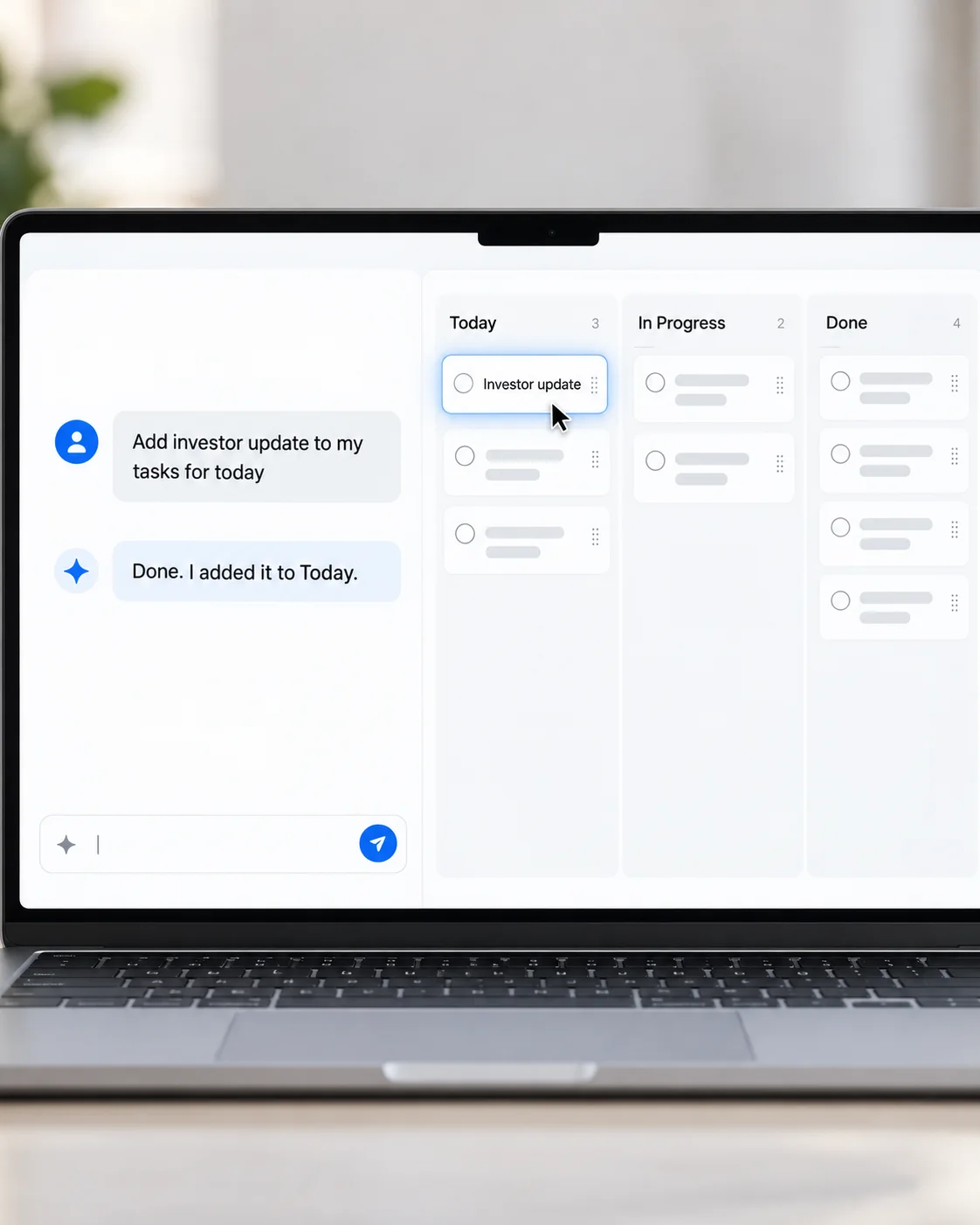
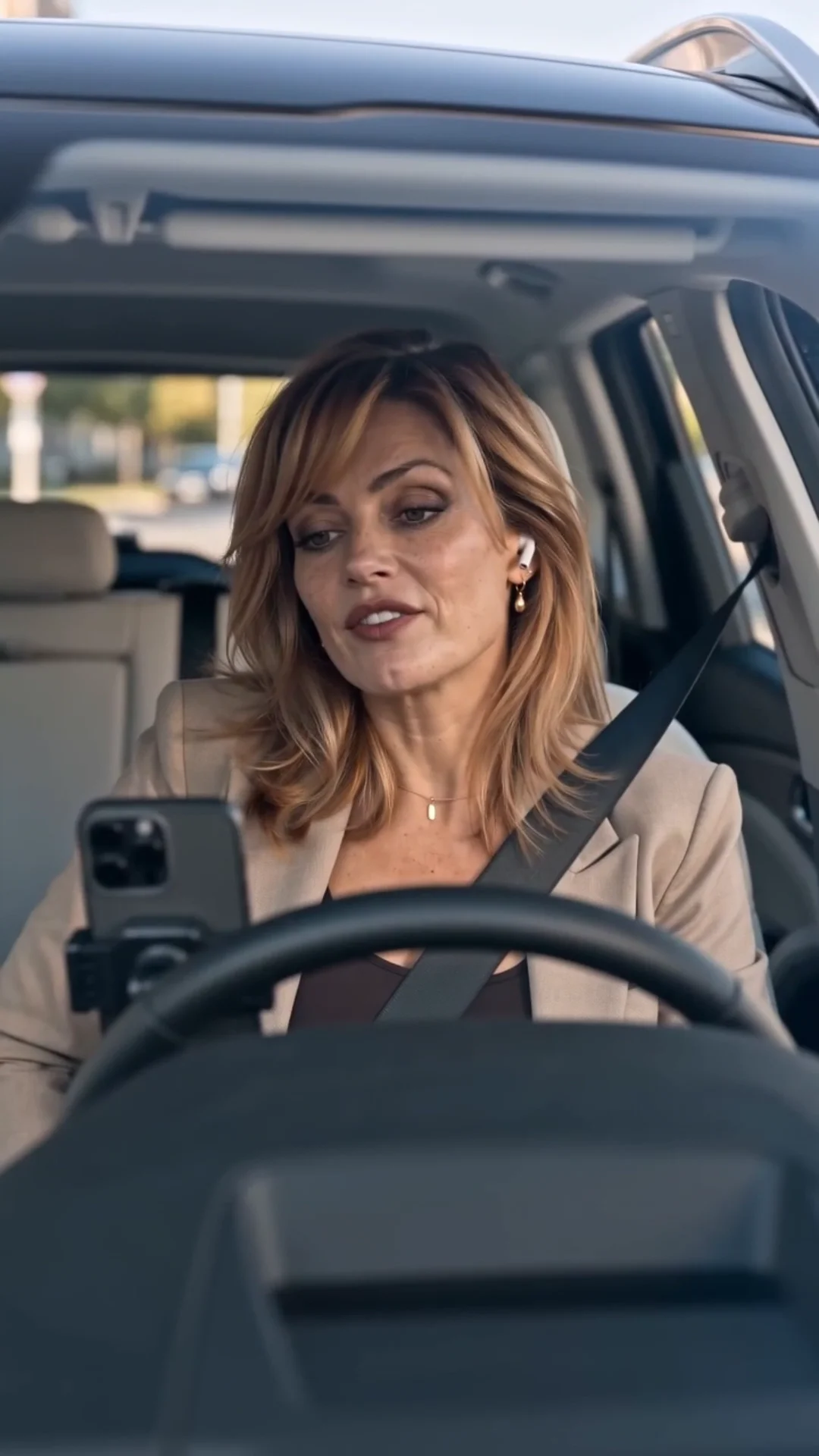
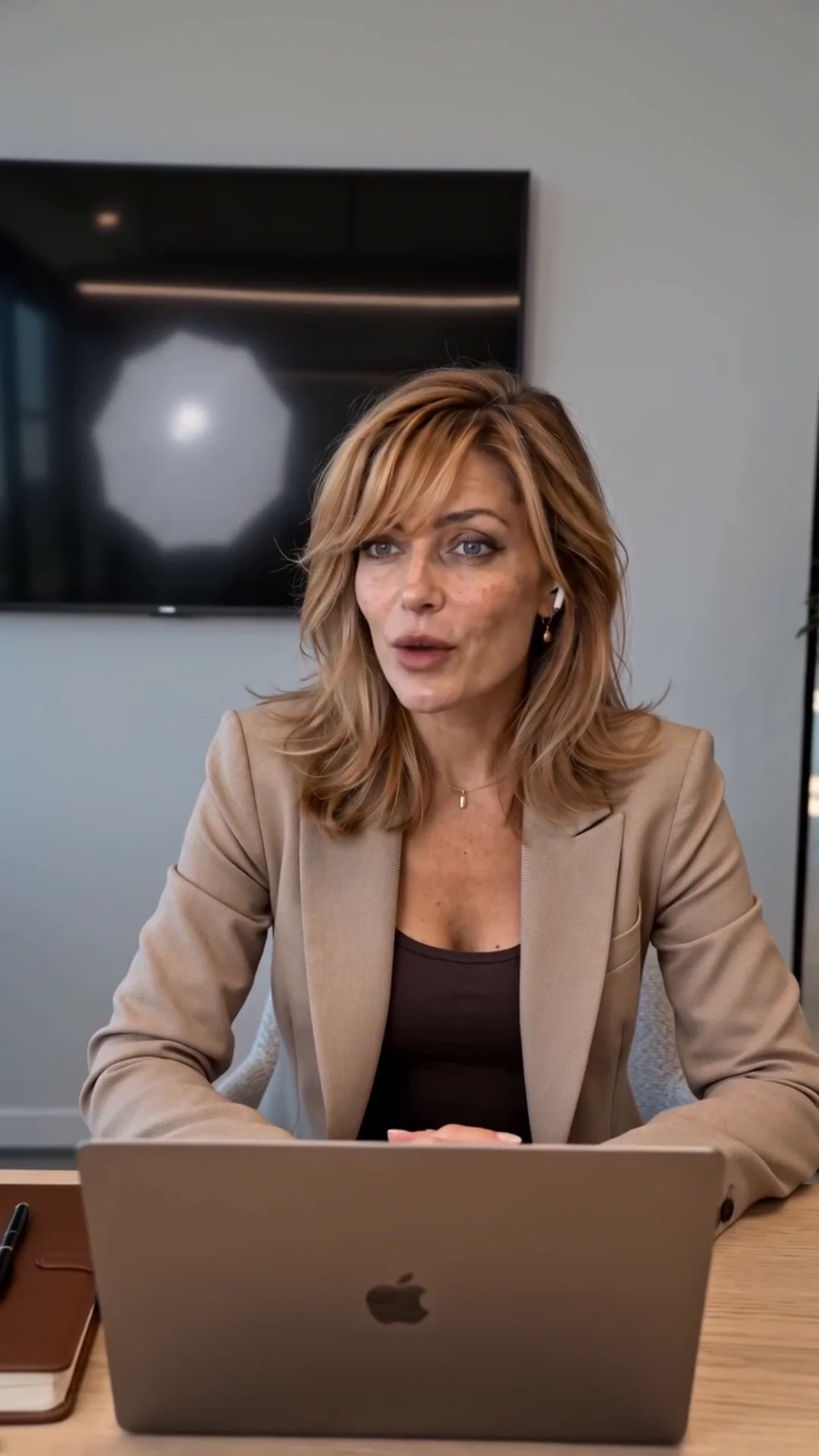
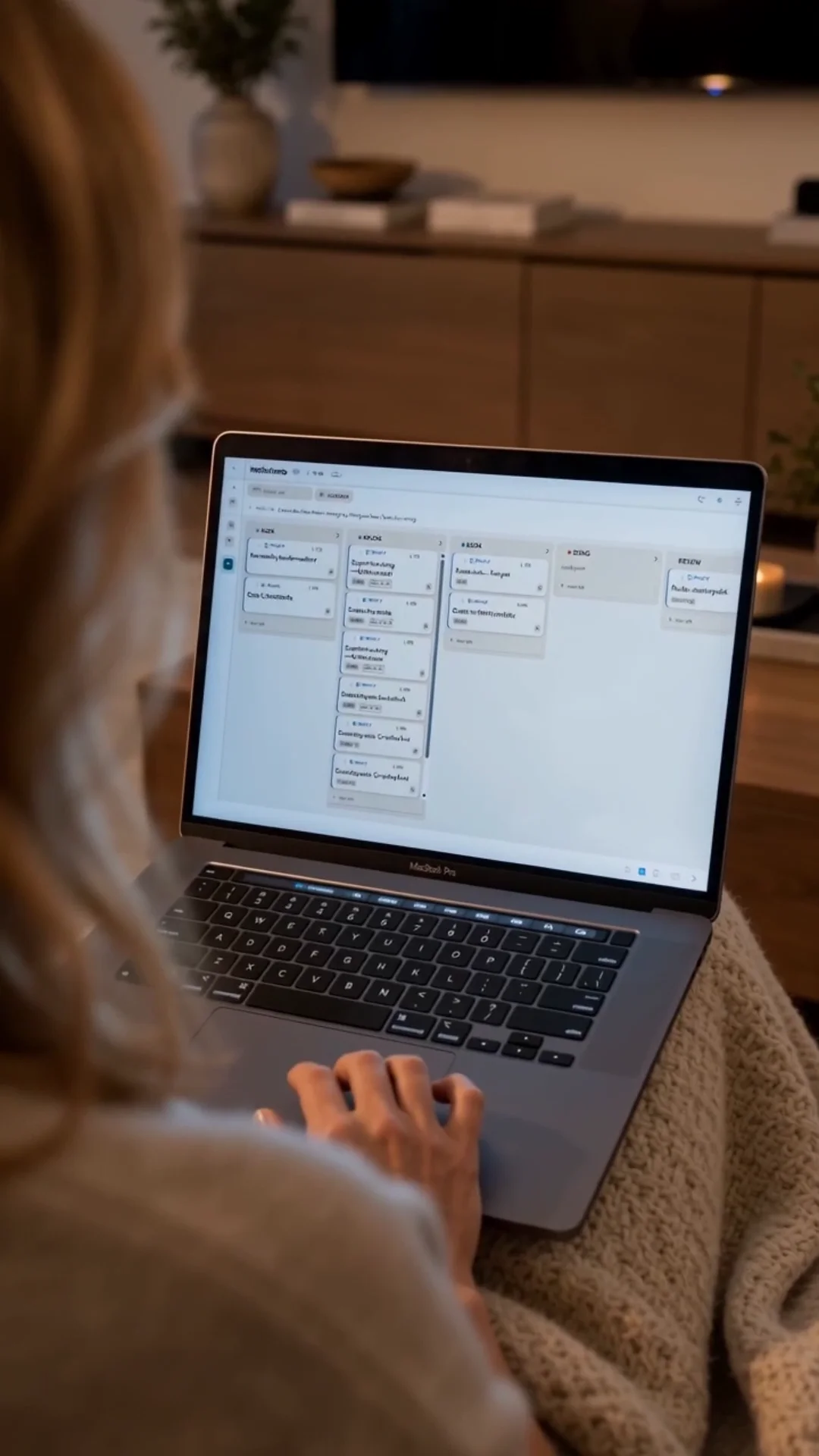
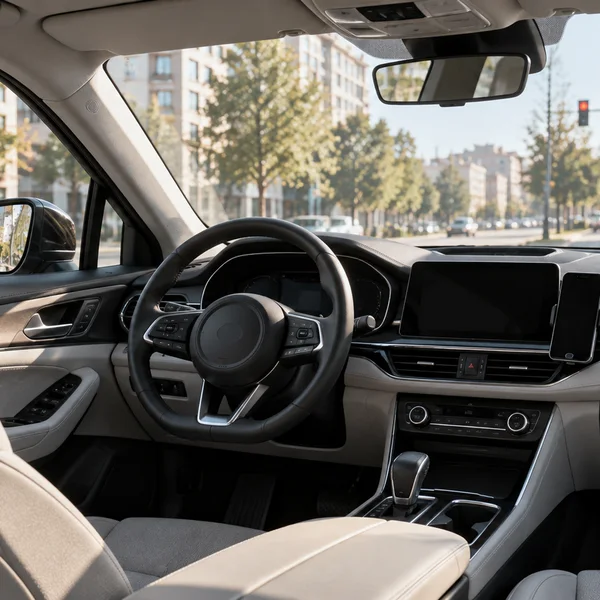
A founder runs her whole day without touching a single task. Espresso, door, car, office, and between them she just asks: "Claude, what's first today?" Claude answers from her Bifa board. Then everything slows down to Sunday evening on the sofa, where the order came from.
A screen recording of a chat creating a card. It's the category's default: the feature, not a person's day.
Direction
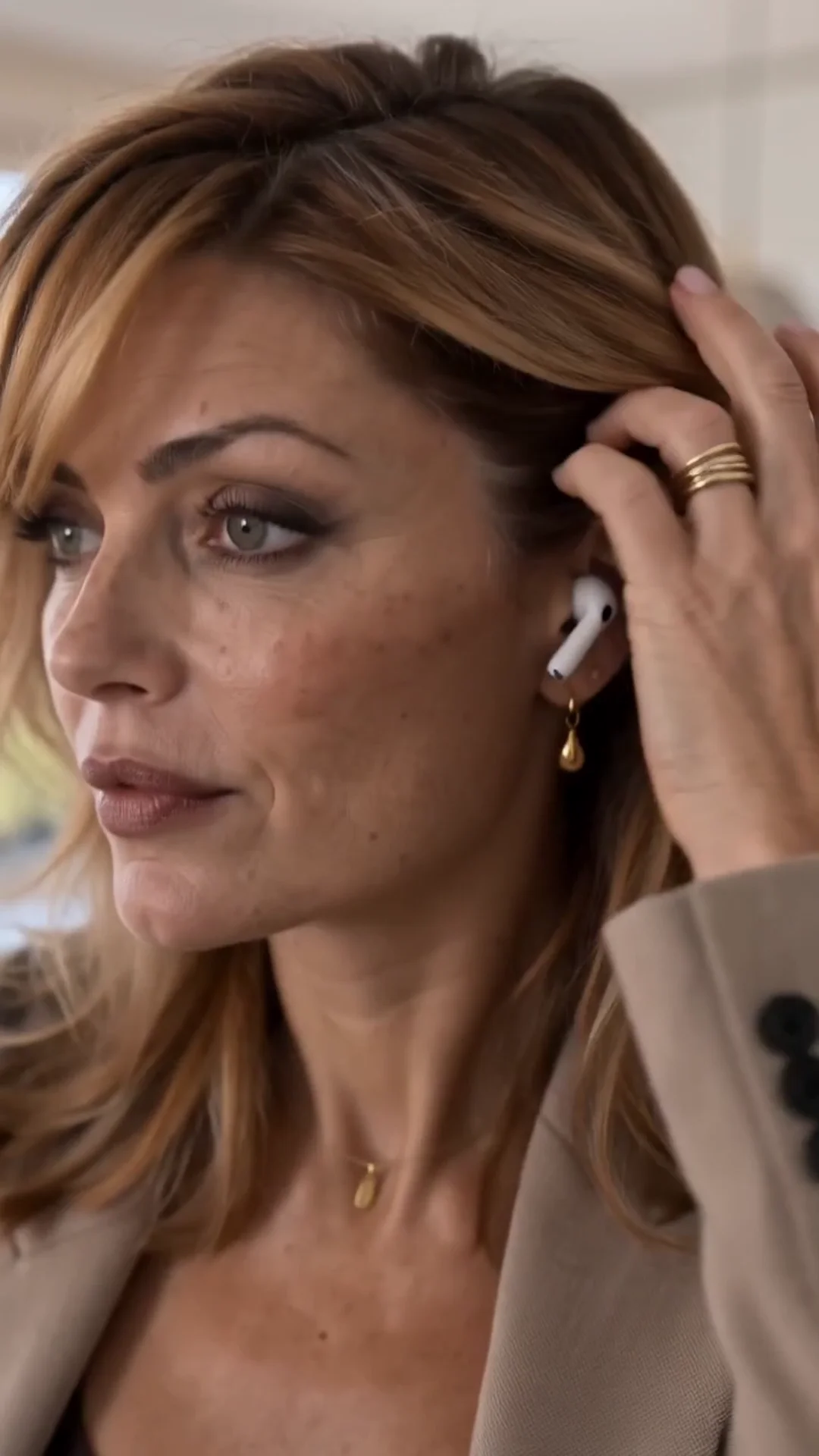
- She's busy, never panicked. The cast is a composed founder, built as an original character on the archetype the client asked for, not a lookalike.
- Two speeds, two palettes. The morning cuts fast, a shot every second or two, in crisp daylight; Sunday plays at normal speed in dusk and lamplight. No music anywhere: heels, doors, keys and voices carry the rhythm, so the Sunday quiet lands.
- Claude is only a voice. The single piece of real interface is the board on her laptop on Sunday, a real Bifa project built for the shoot.
- Taken from the client's own launch notes: "after a planning session, my Claude has the full context."
What broke
My first premise was wrong. I assumed Bifa had no priority labels and wrote three podcast scripts around "there's no urgent tag." The client's launch notes said the opposite: every card has an importance rating. I rewrote the angle around context, the one thing the category wasn't saying.
The keycard shot never read. I cut it, reordered the office sequence and added a payoff instead: she walks into the meeting and says "Okay. Investor update.", exactly what Claude told her.
One clip came back fine, but without the word "Bifa". I regenerated it. In an ad for an app nobody has heard of yet, the name has to be heard, not only seen.
What I'd test
The app is still in closed beta, so the real numbers come at launch. Then I'd run three openings against each other and keep whichever holds people past the third second.
The rushProduced
Beat-cut morning, then "Claude, what's first today?"
Sunday first
Open on the calm, smash-cut to Monday.
The confession
"I haven't opened my to-do list in three weeks. It's never been more organised."
Next version: a logo end card, and a hook built on a Bifa push notification once the app ships them.
Production
Two of the unused generations came before the character was signed off by the client.
Kept as a format variant: the podcast scripts, V1 Genius with amnesia.
References


I give a FAQ
How did you keep her the same person in every scene?
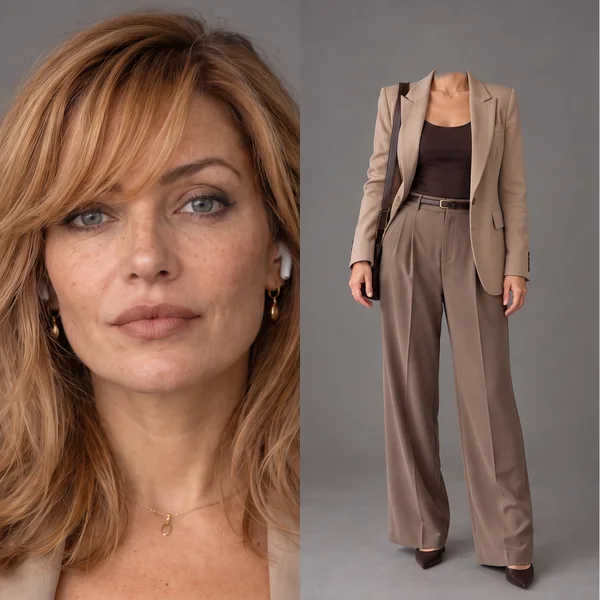
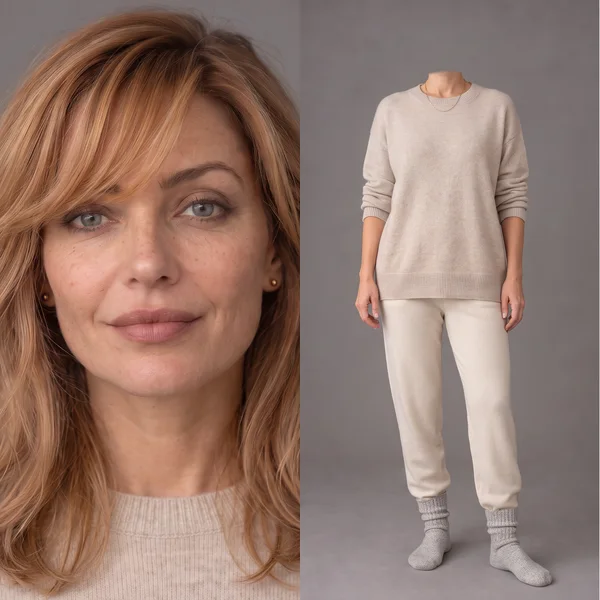
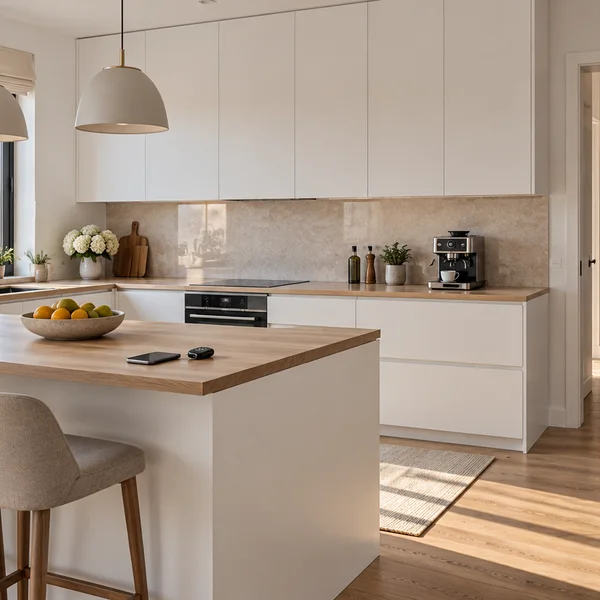
With references made before any video: one sheet for her weekday look and one for Sunday, plus one for each place: the kitchen, the car, the office and the living room. Every generation starts from them, so her face, her clothes and the light hold across a fast-cut morning. She's an original character, not a lookalike.
How did the client review the work?
The character came first. The client signed it off before the final generations; two of the unused takes were made before that. I also built the angle on the client's own launch notes, quoted on this page. I keep that order on every client project: the character and the angle are agreed before the final generations, while a change still costs a reference image, not a finished shot.
Does it work with the sound off?
Partly. The morning reads without sound. It cuts fast, a shot every second or two, in crisp daylight. But the payoff is spoken, her "Okay. Investor update.", and in an ad for an app nobody has heard of yet, the name has to be heard. For feed placements I'd add burned-in captions, so the line lands on mute too.