04 · Short film
The Door
She walks through a door, out of an overwhelmed present and into the early 2000s. Coming back is the hard part.
Why I made it
I wanted to tell a story about how the world feels now, and how it felt in the 2000s.
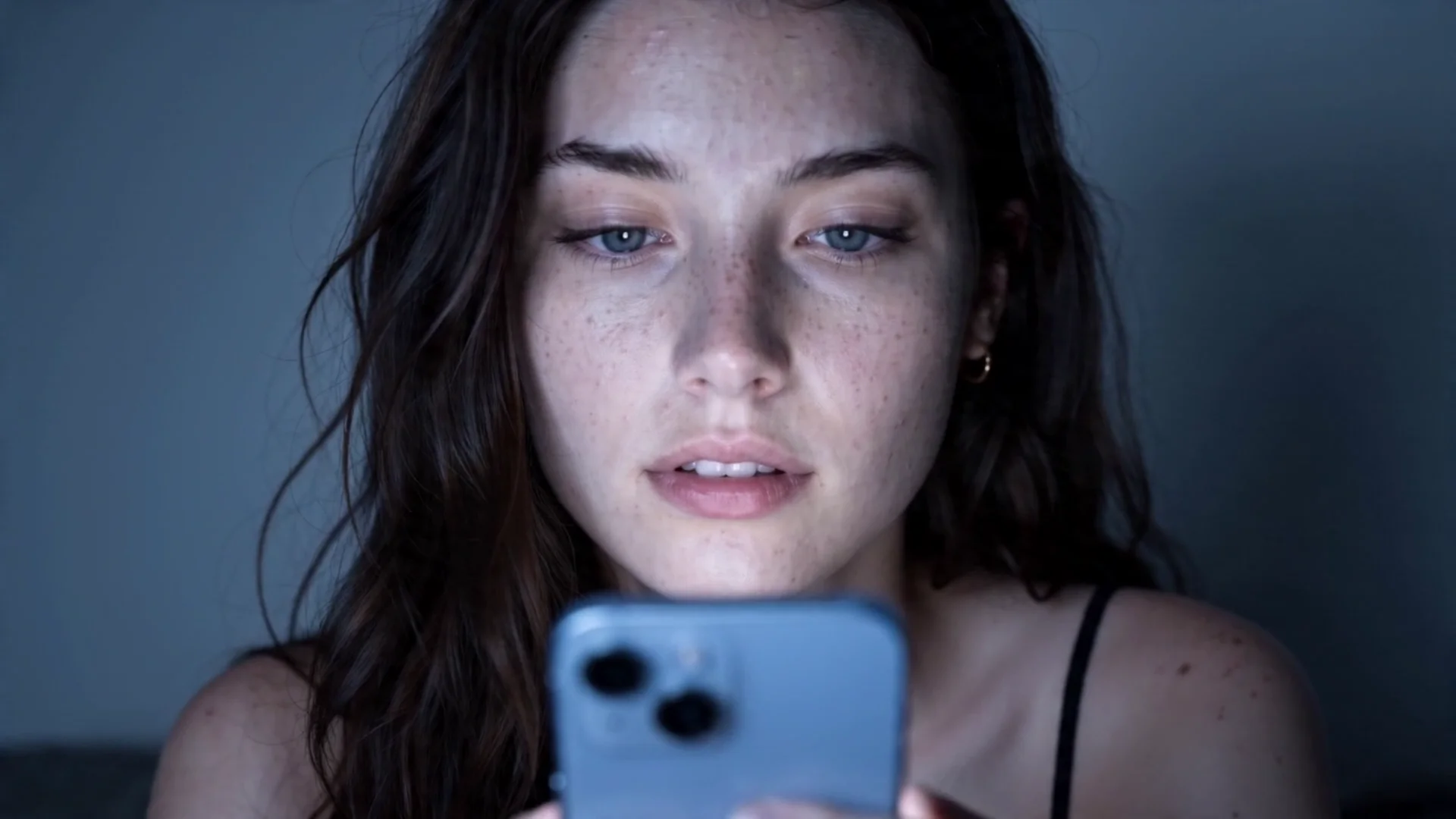
Now is always on: buried in work, buried in feeds. Then, kids played outside, friends laughed on their way out for the night, and everything moved slower.
The idea
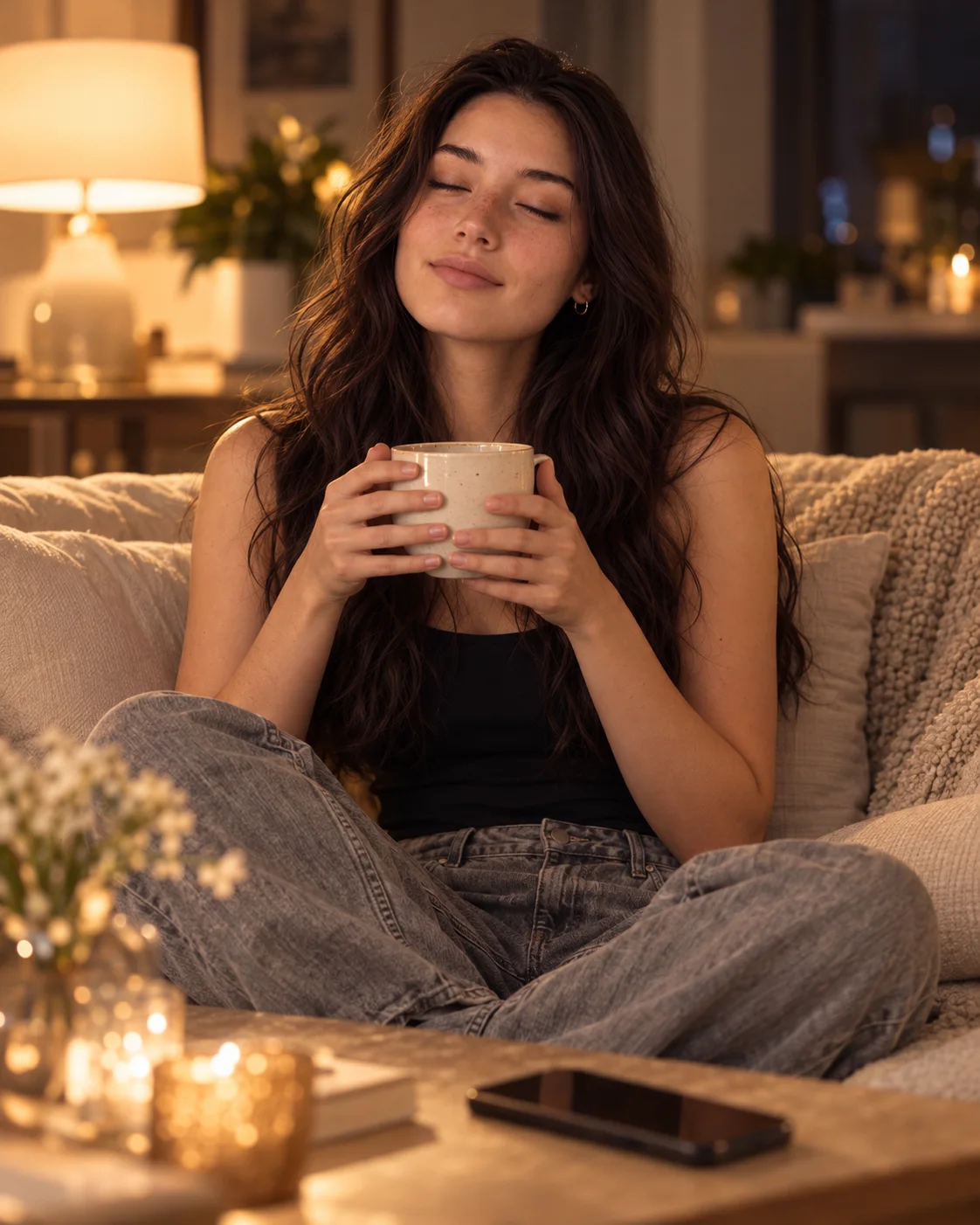
One woman, worn down by the present, steps through a door into the early 2000s. She sees a simpler, gentler world.
She comes back and tries to live the present more simply. Then a phone rings, and she flinches. I left it open: maybe she makes it, maybe the present won't let her.
A closed ending, where she comes back changed and the film tells you she made it. The question is the point; answering it would make it a moral.
Direction
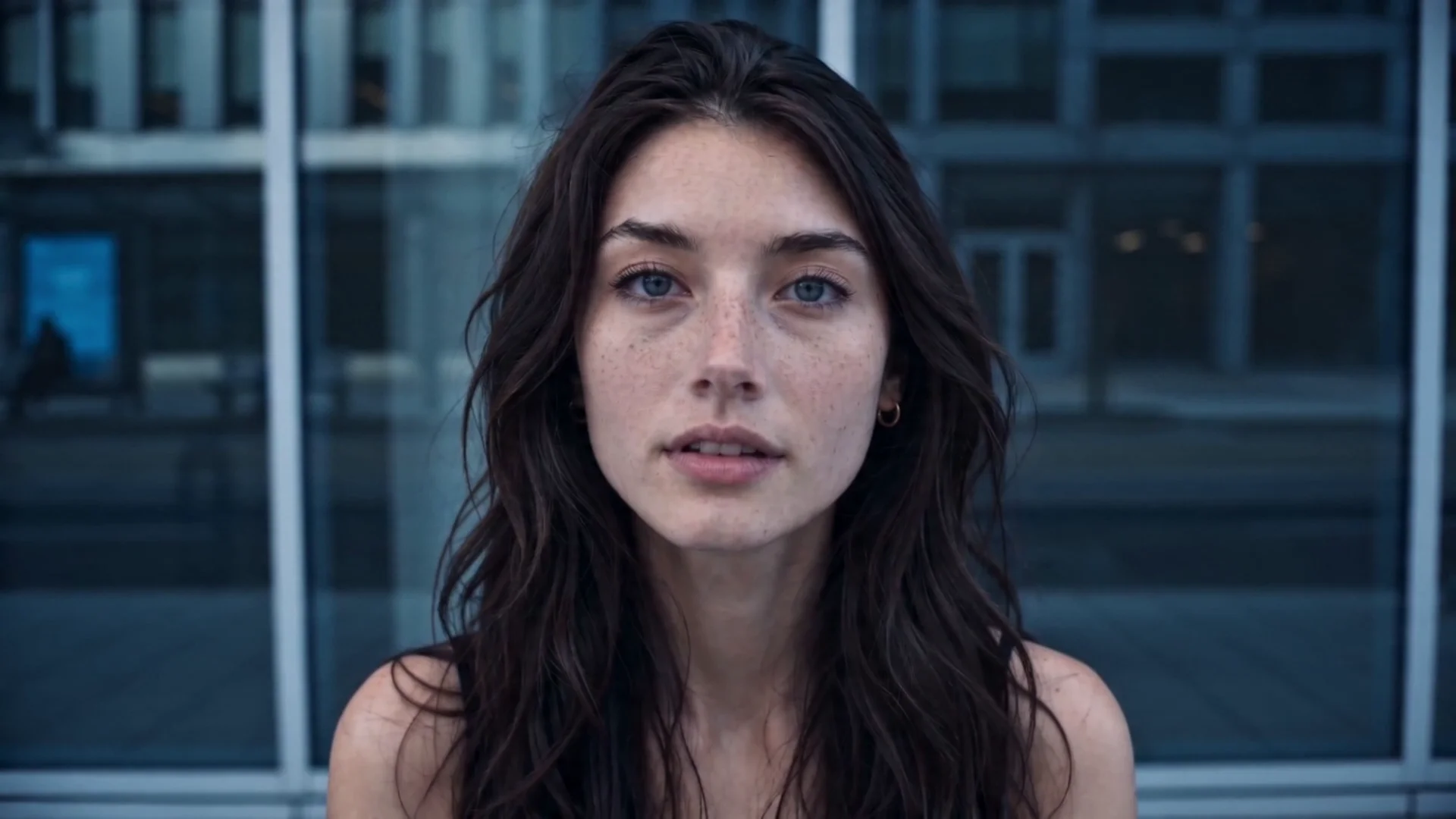
- Two temperatures. Cold light in the present, our world of work and screens; warm light in the past, where everything was calmer.
- One person, one arc. The camera stays with her, from overwhelmed to seeing a simpler world, and back.
- What I didn't show: whether she manages. A phone sound, a flinch, and the film ends.
- No music. Only the sound each shot came with, so the silence of the past and the ping of the present carry it.
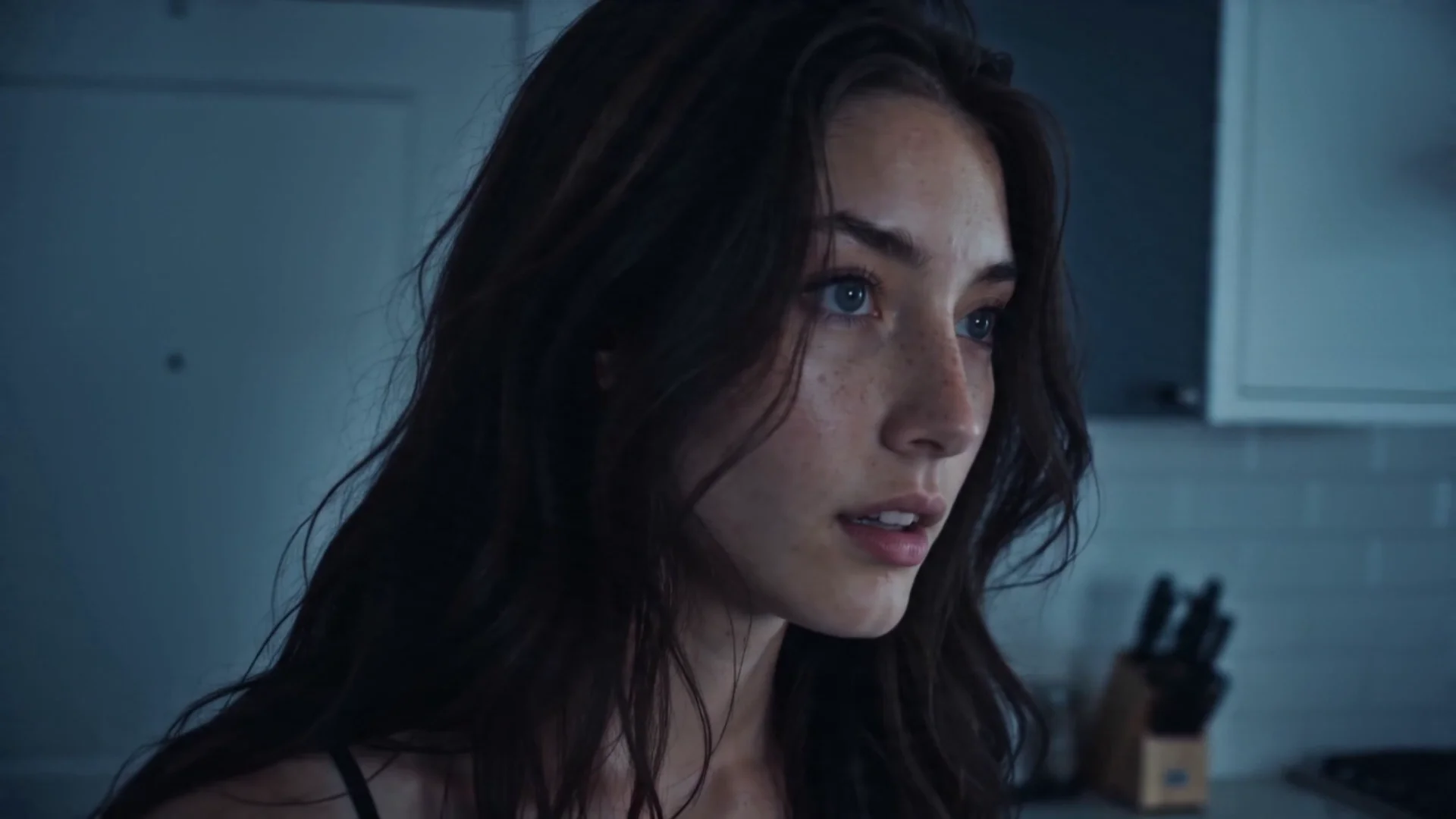
What broke
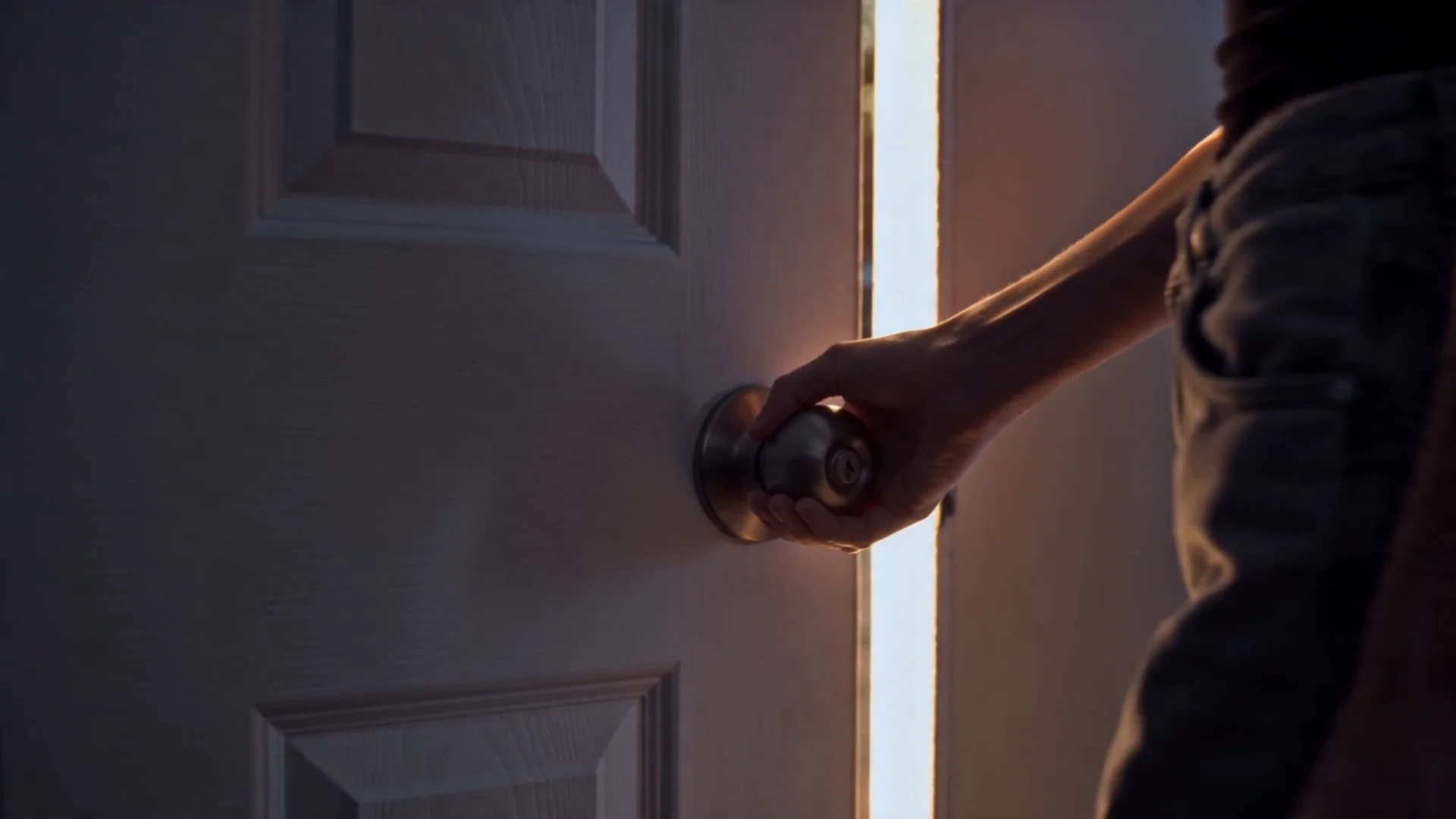
The door was the hard part: the moment the present turns into the past. The video model kept getting the transition wrong.
Text alone couldn't hold the change from one world to the other.
The fix was more anchors: many reference images for that single transition, until the model had no room to guess. It came out right in the end.
What I'd do now
It's from July, made with Seedance 2.0. Three months later, I'd make it differently:
- Seedance 2.5, and more time in the past, so the contrast has room to land.
- A score. The film has none, and I think it needs one.
- Wider reference images that hold more of the space, so each shot isn't locked to a tight frame.
- Cuts on continuous action. Some scenes feel choppy, partly the model, partly how I built references and prompts then. Cutting on a movement would make it flow.
Production
Generated with Seedance 2.0 in Higgsfield. All sound is the native SFX that came with each shot.
References
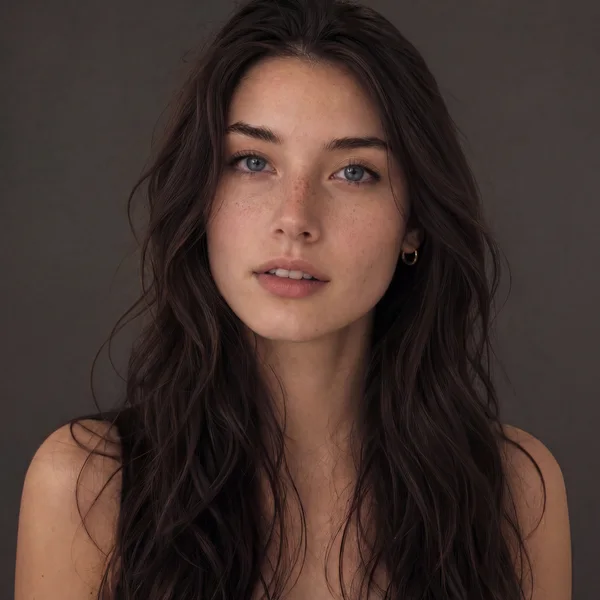
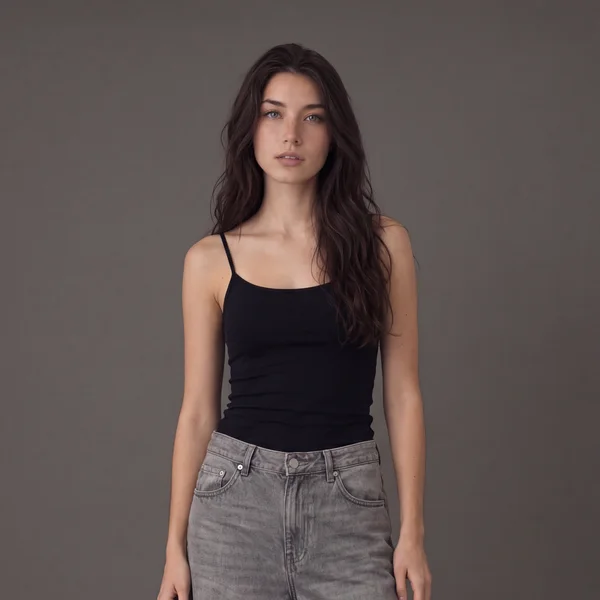
I give a FAQ
Why is a short film in a portfolio of ads?
Because an ad is a short story with a job to do, and this is the same craft without the job. The Door is self-initiated: one woman, one arc, two temperatures of light, and an ending I chose to leave open. It shows how I direct when nobody hands me a brief: what I keep, and what I leave out.
Can you make longer films, in 16:9?
Yes. The Door runs 1:34 in 16:9, the longest piece on this site, made in about twelve hours with Seedance 2.0 in Higgsfield. A longer piece needs more references to keep the character and the space consistent, and I plan it shot by shot, the same way as an ad.